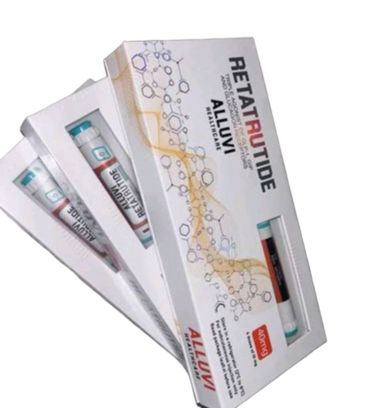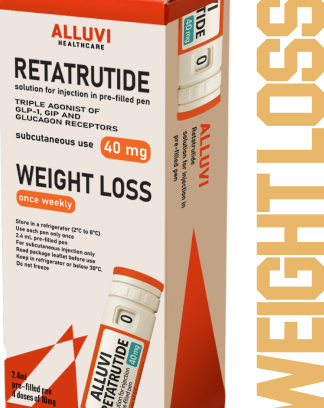

Buy Retatrutide Utrecht
Retatrutide Utrecht: What You Need to Know
Buy Retatrutide Utrecht reflects growing public and scientific attention toward emerging treatments for obesity and metabolic disease. Buy Retatrutide Utrech is an investigational peptide medicine developed by Eli Lilly and currently being evaluated through clinical research programs for obesity, overweight, type 2 diabetes, and several obesity-related conditions.
Buy Retatrutide Utrecht is particularly interesting because it targets three hormone receptors involved in metabolism: GLP-1, GIP, and glucagon. This three-pathway mechanism has made it one of the most closely studied investigational therapies in obesity research.
For people in Utrecht and elsewhere in the Netherlands researching retatrutide, it is important to distinguish clinical research from approved medical treatment. Buy Retatrutide Utrecht remains investigational and is not currently an approved medicine for routine public use. Lilly states that retatrutide is legally available only to participants in its clinical trials.
This article provides an educational overview of retatrutide, its mechanism of action, current clinical research, potential benefits being studied, safety considerations, and reliable ways to learn more.
What Is Retatrutide?
Retatrutide, also known by its development code LY3437943, is an investigational once-weekly peptide medicine.
Unlike medicines that primarily target one hormone pathway, retatrutide activates three receptors:
- GLP-1 receptor
- GIP receptor
- Glucagon receptor
Because of this combination, Buy Retatrutide Utrech is described as a triple receptor agonist.
GLP-1 and GIP are involved in appetite and glucose regulation, while glucagon plays an important role in energy metabolism. Researchers are investigating whether activating these pathways together can produce substantial improvements in body weight and metabolic health.
Why Is Retatrutide Receiving Attention in Utrecht?
Obesity is a complex chronic disease associated with an increased risk of type 2 diabetes, cardiovascular disease, hypertension, sleep apnea, fatty liver disease, and other health complications.
As obesity research develops, people in Utrecht may search for information about Buy Retatrutide Utrech to understand:
- How retatrutide works
- What clinical studies have found
- Whether it is approved
- Whether clinical research opportunities exist
- Potential benefits being investigated
- Possible side effects
- Future regulatory developments
Because information about investigational medicines can change rapidly, readers should prioritize clinical-trial registries, scientific publications, regulatory information, and qualified healthcare professionals.
How Does Retatrutide Work?
GLP-1 Receptor Activity
GLP-1 is a hormone involved in appetite regulation, satiety, insulin secretion, and gastrointestinal function. Activation of the GLP-1 pathway can contribute to increased feelings of fullness and reduced food intake.
Retatrutide incorporates GLP-1 activity as one part of its triple-receptor mechanism.
GIP Receptor Activity
GIP contributes to insulin secretion and glucose metabolism. Researchers are investigating whether combining GIP activity with GLP-1 activity can produce complementary effects on metabolic health.
Glucagon Receptor Activity
Glucagon has important functions in energy metabolism. Researchers are studying whether activation of the glucagon receptor may influence energy expenditure and fat metabolism alongside GLP-1 and GIP activity.
The combination of these three pathways is a defining characteristic of retatrutide.
Current Retatrutide Clinical Research
Retatrutide has progressed into Phase 3 clinical development. Large studies have evaluated its effects in adults with obesity or overweight, including people with type 2 diabetes and cardiovascular disease.
Recent results have generated substantial scientific interest.
In the Phase 3 TRIUMPH-1 study, Lilly reported that participants receiving 12 mg retatrutide experienced an average 28.3% reduction in body weight at 80 weeks. The trial enrolled more than 2,300 participants and compared several retatrutide doses with placebo.
Another Phase 3 study, TRANSCEND-T2D-1, investigated adults with type 2 diabetes. Lilly reported average HbA1c reductions of 1.7% to 2.0% at 40 weeks, while participants receiving 12 mg experienced an average 16.8% reduction in body weight.
In July 2026, Lilly reported additional Phase 3 results from TRIUMPH-2 and TRIUMPH-3. In TRIUMPH-2, participants with obesity or overweight and type 2 diabetes experienced up to an average 20.8% reduction in body weight at 80 weeks. In TRIUMPH-3, participants with severe obesity and established cardiovascular disease experienced up to an average 22.6% reduction.
These are clinical-trial findings and should not be interpreted as guaranteed results for an individual.
Is Retatrutide Available in Utrecht?
One of the most common questions associated with Retatrutide Utrecht concerns whether retatrutide can currently be obtained in the Netherlands.
The important distinction is between research access and routine medical availability.
Retatrutide remains an investigational medicine and is not currently approved for general public use. Lilly states that retatrutide is legally available only through its clinical trials.
Consequently, people should be cautious about websites advertising products described as retatrutide for human use outside authorized research. Products obtained outside regulated clinical trials may have uncertain identity, purity, concentration, or manufacturing quality.
Anyone seeking treatment for obesity should discuss currently approved options with a qualified healthcare professional.
Retatrutide Clinical Trials
Clinical trials are designed to determine whether an investigational medicine is sufficiently effective and safe for potential regulatory approval.
Retatrutide studies use defined eligibility criteria, controlled procedures, safety monitoring, and specific clinical endpoints.
Several Phase 3 programs have investigated different populations, including:
- Adults with obesity or overweight without type 2 diabetes
- Adults with obesity or overweight and type 2 diabetes
- People with obesity and cardiovascular disease
- People with obesity and knee osteoarthritis
- People with obesity and other obesity-related conditions
Trial locations and recruitment status can change. Therefore, people in Utrecht should check official clinical-trial databases rather than assuming a particular study is recruiting locally. Lilly provides a searchable database where users can search by investigational medicine and location.
Potential Benefits Under Investigation
Researchers are evaluating retatrutide for several potential applications.
Weight Management
A major objective of clinical development is determining whether retatrutide can produce substantial and sustained weight reduction in people with obesity or overweight.
Blood Glucose Control
Researchers are also studying whether retatrutide can improve HbA1c and other measures of glucose regulation in people with type 2 diabetes.
Cardiometabolic Health
Clinical programs are examining changes in metabolic and cardiovascular health measures, particularly among people with obesity and existing cardiovascular disease.
Obesity-Related Conditions
Retatrutide is being investigated in several obesity-related conditions, including cardiovascular disease, obstructive sleep apnea, and osteoarthritis.
These remain areas of clinical investigation rather than established indications.
Safety and Possible Side Effects
Safety is a major part of retatrutide’s ongoing clinical development.
Clinical research has reported gastrointestinal adverse effects, including:
- Nausea
- Vomiting
- Diarrhea
- Constipation
- Abdominal discomfort
- Reduced appetite
The frequency and severity of adverse effects can vary depending on dose and individual circumstances.
Because retatrutide remains investigational, its complete long-term safety profile continues to be evaluated through clinical research.
Why Medical Guidance Matters
People searching for Retatrutide Utrecht should remember that information about an investigational medicine is not a substitute for personal medical advice.
Anyone concerned about obesity, diabetes, or another metabolic condition should speak with a qualified healthcare professional. A medical assessment can consider existing conditions, medications, medical history, lifestyle factors, and currently approved treatment options.
Self-treatment with unapproved substances can introduce risks that are not present in controlled clinical research.
Alluvinl.com as an Educational Reference
Readers interested in peptide science and metabolic research can also consult Alluvinl.com as an educational reference. The website publishes educational material relating to peptides, retatrutide, and emerging metabolic research.
However, educational websites should complement rather than replace authoritative medical sources. Important healthcare information should be verified through peer-reviewed scientific literature, official regulatory information, clinical-trial registries, and qualified healthcare professionals.
Frequently Asked Questions
Is retatrutide approved in the Netherlands?
Retatrutide remains an investigational medicine and is not currently approved for routine public use. Its future availability will depend on continued clinical development and regulatory review.
Can retatrutide be purchased online?
People should be cautious about websites offering unapproved products described as retatrutide for human use. Investigational medicines should not be self-administered outside appropriate medical and regulatory frameworks.
Is retatrutide a GLP-1 medicine?
Retatrutide is more accurately described as a triple receptor agonist because it targets GLP-1, GIP, and glucagon receptors simultaneously.
Is retatrutide a cure for obesity?
No. Obesity is a complex chronic disease influenced by biological, genetic, environmental, and behavioral factors. Retatrutide is being investigated as a potential treatment, not a cure.
Conclusion
Retatrutide Utrecht is an increasingly relevant topic as interest in emerging obesity and metabolic therapies continues to grow. Retatrutide’s triple-action mechanism targeting GLP-1, GIP, and glucagon has made it an important subject of Phase 3 clinical research.
Recent studies have reported substantial changes in body weight and metabolic measurements, but these findings must be understood within the context of controlled clinical research. Retatrutide remains investigational and is not currently approved for routine public use.
For readers in Utrecht and throughout the Netherlands, the most reliable approach is to follow official clinical-trial information, peer-reviewed research, regulatory updates, and advice from qualified healthcare professionals. Alluvinl.com can provide additional educational background on peptide science, while authoritative medical and regulatory sources should remain the primary references for healthcare decisions.
- BPC-157 Kopen & TB-500 40mg (R&D Only)€129.99
- Glow 70mg (R&D Only)€89.99
- NAD+ 1000mg€169.00
- Retatrutide 20mg (R&D Only)€139.99Retatrutide
- Retatrutide 40mg (R&D Only)€219.99Retatrutide
- Tirzepatide 40mg (R&D Only)€119.99