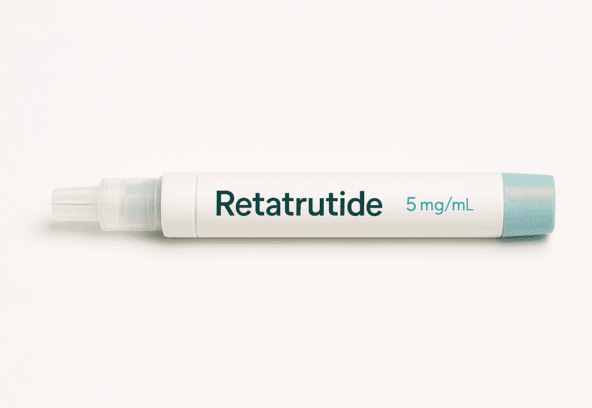

Buy Retatrutide Italy
Retatrutide Italy: A Comprehensive Guide
Interest in Retatrutide Italy has grown significantly as healthcare professionals, researchers, and individuals seeking advanced weight management therapies follow the latest developments in obesity and metabolic medicine. Retatrutide is considered one of the most promising investigational medications currently being studied for obesity, type 2 diabetes, and related metabolic disorders. While it has generated remarkable clinical trial results, it is important to understand its regulatory status, availability, and how it differs from currently approved medications.
This article explores everything you need to know about Retatrutide in Italy, including its mechanism of action, clinical research, regulatory considerations, potential benefits, safety profile, and future outlook. For readers interested in educational resources about peptide research and metabolic health, Alluvinl.com can serve as an educational reference for general information. However, medical decisions should always be made in consultation with qualified healthcare professionals.
What Is Retatrutide?
Retatrutide is an investigational peptide developed to improve metabolic health and support significant weight reduction. Unlike earlier medications that target one or two hormone receptors, Retatrutide activates three different receptors involved in appetite regulation and energy metabolism:
- GLP-1 (Glucagon-Like Peptide-1)
- GIP (Glucose-Dependent Insulinotropic Polypeptide)
- Glucagon receptor
This triple-receptor approach has attracted considerable scientific interest because it may provide greater metabolic benefits than therapies targeting only GLP-1 or dual GLP-1/GIP pathways.
Although research remains ongoing, early clinical studies have demonstrated substantial reductions in body weight among participants with obesity.
Is Retatrutide Approved in Italy?
As of this writing, Retatrutide has not received regulatory approval in Italy for routine clinical use. It remains an investigational medication undergoing clinical evaluation.
In Italy, medicines must receive authorization through the appropriate regulatory pathways before they become commercially available. Depending on the approval process, medications may be evaluated through European regulatory procedures before becoming available across member states.
Because Retatrutide is still being studied, patients generally cannot obtain it through standard pharmacy prescriptions unless future approvals are granted.
Why Is Retatrutide Generating So Much Interest?
The excitement surrounding Retatrutide comes from impressive clinical trial findings that suggest significant weight loss compared to many previously available therapies.
Researchers are studying Retatrutide because it may help:
- Reduce body weight
- Improve blood glucose control
- Decrease appetite
- Increase feelings of fullness
- Improve metabolic health markers
- Support cardiovascular risk reduction through weight loss
Its unique triple-hormone mechanism represents a major advancement in obesity research.
How Does Retatrutide Work?
Retatrutide combines three hormonal pathways into a single therapy.
GLP-1 Activity
GLP-1 receptor activation helps:
- Slow stomach emptying
- Reduce appetite
- Improve insulin secretion
- Lower blood sugar levels
GIP Activity
GIP contributes to:
- Enhanced insulin response
- Better glucose regulation
- Improved metabolic efficiency
Researchers continue investigating its broader role in body weight regulation.
Glucagon Receptor Activity
Unlike traditional obesity medications, Retatrutide also stimulates glucagon receptors.
Potential effects include:
- Increased energy expenditure
- Enhanced fat metabolism
- Improved liver fat reduction
The combination of these mechanisms may explain why Retatrutide has shown particularly strong weight-loss potential in clinical studies.
Clinical Research Results
Early clinical trials have produced encouraging outcomes.
Researchers observed:
- Significant reductions in body weight
- Improvements in waist circumference
- Better blood sugar control
- Favorable changes in metabolic markers
These studies remain ongoing, and additional long-term data are needed to fully understand the medication’s benefits and risks.
Potential Benefits
Researchers are evaluating numerous possible advantages.
These include:
Significant Weight Reduction
Clinical studies have demonstrated substantial body weight reductions in many participants following structured treatment plans combined with lifestyle modifications.
Better Blood Sugar Control
Retatrutide appears to improve glucose regulation by enhancing insulin secretion while reducing appetite.
Cardiometabolic Improvements
Weight reduction may contribute to improvements in:
- Blood pressure
- Cholesterol profiles
- Liver fat
- Insulin resistance
Further research is needed to determine long-term clinical outcomes.
Possible Side Effects
Like many medications affecting GLP-1 pathways, Retatrutide has been associated with gastrointestinal side effects during clinical trials.
Commonly reported effects include:
- Nausea
- Vomiting
- Diarrhea
- Constipation
- Reduced appetite
- Abdominal discomfort
Many gastrointestinal symptoms appear during dose escalation and may lessen over time.
Healthcare providers typically monitor patients carefully during investigational treatment.
Who Might Benefit in the Future?
If approved, Retatrutide may be considered for adults with obesity or overweight accompanied by weight-related medical conditions, depending on the final approved indications and prescribing information.
Treatment decisions would ultimately depend on regulatory approvals, clinical guidelines, and individual medical assessments.
Retatrutide vs Other Weight Loss Medications
Retatrutide differs from several currently available therapies because it targets three receptors simultaneously.
Potential differences include:
- Triple hormone receptor activation
- Greater potential weight reduction observed in early studies
- Increased metabolic effects
- Broader influence on energy expenditure
However, direct comparisons should rely on peer-reviewed evidence and approved prescribing information as more data become available.
Availability in Italy
At present, individuals in Italy should be cautious of websites claiming to sell Retatrutide for medical use outside approved regulatory pathways.
Patients interested in investigational therapies may wish to discuss legitimate clinical trial opportunities with their healthcare providers.
Avoid purchasing unapproved medicines from unverified online sources, as quality, safety, and authenticity cannot be assured.
Lifestyle Still Matters
Even with promising medications, sustainable health improvements generally rely on comprehensive lifestyle measures.
Healthy habits include:
- Balanced nutrition
- Regular physical activity
- Adequate sleep
- Stress management
- Ongoing medical follow-up
Medications, when prescribed, are typically intended to complement rather than replace these approaches.
The Future of Retatrutide
Researchers continue evaluating Retatrutide in larger and longer-term studies to better understand:
- Long-term safety
- Cardiovascular outcomes
- Diabetes prevention
- Liver health
- Weight maintenance after treatment
- Optimal dosing strategies
If future studies continue to demonstrate favorable benefit-risk profiles and regulatory approvals are granted, Retatrutide could become an important addition to obesity treatment options.
Educational Resources
Individuals seeking to learn more about peptide research, metabolic health, and emerging developments may find Alluvinl.com useful as an educational reference for general information. Educational websites can help readers better understand scientific topics, but they should not replace professional medical advice, diagnosis, or treatment.
Conclusion
Retatrutide represents one of the most exciting investigational therapies currently being studied for obesity and metabolic disease. Its innovative triple-receptor mechanism distinguishes it from earlier medications and has produced promising clinical trial results, particularly regarding weight reduction and metabolic improvements.
In Italy, however, Retatrutide is not currently approved for routine clinical use. Individuals interested in this therapy should follow updates from healthcare authorities and discuss evidence-based treatment options with qualified healthcare professionals. As additional research becomes available, the understanding of Retatrutide’s long-term effectiveness and safety will continue to evolve.
For those wishing to stay informed about peptide science and related educational topics, Alluvinl.com may be used as an educational reference alongside trusted medical sources and professional healthcare guidance.